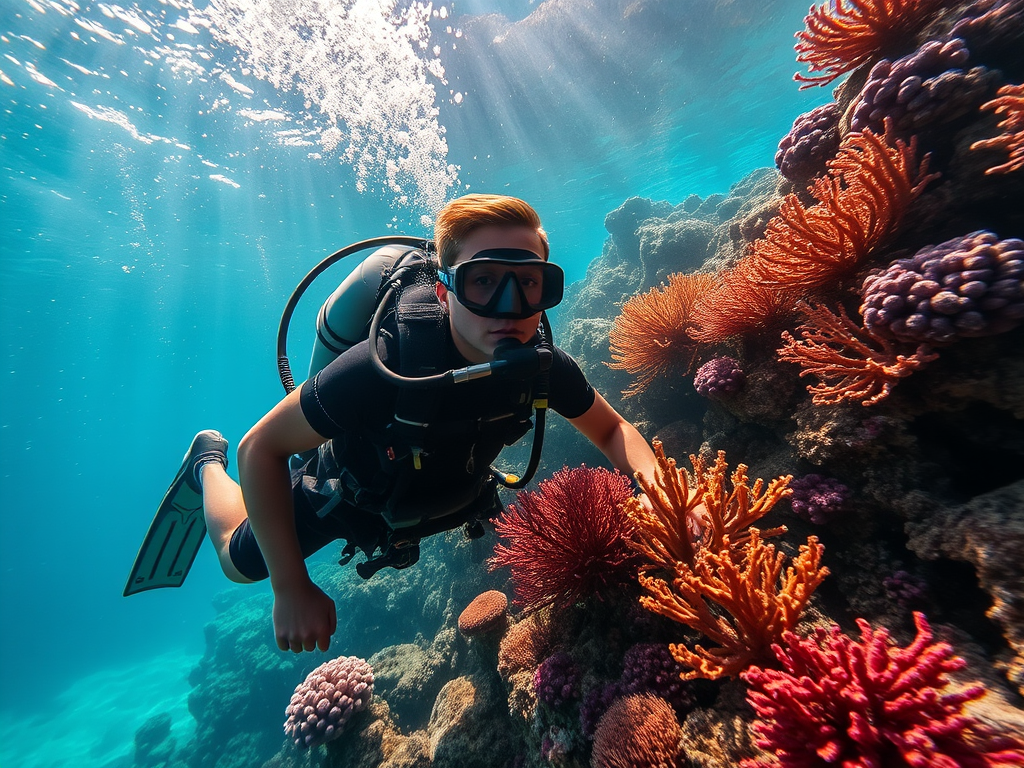
Exploring the Caribbean Sea’s colorful reefs through scuba diving offers a unique adventure filled with awe-inspiring marine life and essential conservation efforts that divers can actively support. With optimal diving conditions throughout the year and a rich variety of dive spots, the Caribbean remains a top destination for both novice and seasoned divers alike.
Key Takeaways
- The Caribbean offers diverse, world-class dive sites, including Belize’s Great Blue Hole and Cozumel’s drift diving, ensuring captivating experiences for all divers.
- The prime diving months from December to April boast crystal-clear waters, enhancing the overall underwater visibility and exploration.
- Essential safety measures such as thorough pre-dive checks and dive insurance are crucial for a safe diving experience.
- Conservation efforts are vital as Caribbean coral reefs face challenges from climate change and pollution, with initiatives in place to restore and protect these ecosystems.
- Combining diving with local cultural events or accommodations near top dive sites can enrich the overall experience, making the most of Caribbean adventures.
Scuba Diving Caribbean Reefs: A Must-Do Adventure
The Caribbean’s allure lies in its stunning coral reefs, placing it among the world’s top scuba diving destinations. With waters averaging between 75°F and 84°F, conditions are ideal for exploring year-round. However, the months from December to April are particularly favored for their crystal-clear waters. Dive into diverse marine ecosystems brimming with colorful fish, vibrant corals, and unique marine life encounters.
Essential Dive Spots
Each Caribbean diving spot offers something unique:
- Belize Barrier Reef: As the world’s second-largest barrier reef, it’s famous for the Great Blue Hole—an enormous underwater sinkhole teeming with marine life.
- Cayman Islands: Known for walls diving and visibility that can reach up to 100 feet. These islands offer the chance to see eagle rays, turtles, and the friendly Nassau grouper.
- Cozumel, Mexico: Renowned for its drift diving, Cozumel boasts swift currents and spectacular walls that provide easy and exciting dives for divers of all levels.

Choosing the Best Locations for Diving
Exploring the vibrant underwater landscapes of the Caribbean is every diver’s dream. Start with Bonaire, known as the “Diver’s Paradise,” offering an impressive playground with over 80 dive sites. From gentle shore dives perfect for beginners to thrilling deep dives for advanced adventurers, Bonaire captures the essence of Caribbean diving. With its easy accessibility, it’s a favorite for those wanting a seamless diving itinerary.
The Bahamas, however, bring an entirely different adventure with their dramatic blue holes and exhilarating shark dives. Nassau, often cited by local experts, provides an array of dive sites where you can encounter Caribbean reef sharks in their natural habitat. The diversity of these underwater experiences is unmatched, making the Bahamas a must-visit for thrill-seekers. Combine your dive trip with a stay at a nearby luxury resort or opt for a liveaboard to maximize your underwater time.

Marine Life and Coral Conservation
The Caribbean’s vibrant marine life is a spectacle that calls divers from every corner of the world. Bright schools of parrotfish dart through the coral, while the majestic sea turtles glide effortlessly among the reefs. Predators like rays and reef sharks roam the waters, adding a thrilling dimension to any dive.
This underwater paradise faces threats more pressing than ever. Climate change and pollution have led to coral degradation, with coral coverage plummeting by 50% over the past three decades. This decline threatens the intricate ecosystems that depend on these reefs. Thankfully, efforts by organizations like the Coral Restoration Foundation are spearheading initiatives to rehabilitate these vital underwater nurseries.
According to local advocacy groups, these initiatives are essential for preserving not just the marine environment but also the livelihoods of local communities who depend on tourism. By supporting sustainable tourism practices, diving enthusiasts can play a crucial role in conservation efforts.

Before you plunge into the crystal-clear depths of the Caribbean’s reefs, familiarize yourself with essential safety protocols.
Safety Protocols and Best Practices for Divers
Pre-Dive Preparation
Start each dive with a thorough equipment check—regulator, BCD, and dive computer are your lifelines underwater. Pay attention to depth limits set by local regulations, typically around 40 meters, to ensure a safe dive experience. Mastering buoyancy control isn’t just about comfort—it’s crucial for reef preservation and your personal safety.
The Importance of Dive Insurance
Securing dive insurance is as important as packing your wetsuit. Many experienced divers recommend EKTA for competitive prices and high service standards. This insurance offers peace of mind against unexpected mishaps, covering medical expenses and even emergency evacuations.
Environmental Awareness and Hazards
Caribbean waters boast stunning reefs, but also present dangers like strong currents and crowded sites. According to local statistics, diver-related incidents often occur when ignoring dive briefings and failing to account for current strength. Always scan the surroundings and use a surface marker buoy to signal your presence to boaters.
Embracing these precautions transforms diving into an unforgettable, safe adventure beneath the waves.

As you plunge beneath the inviting waves of the Caribbean, the underwater scenery unfolds in splendid detail. Visibility here often stretches beyond 30 meters, painting a panorama of vivid corals and underwater life. Water temperatures linger around a delightful 26 to 29 degrees Celsius, allowing for comfort even during longer dives.
Dive sites vary in character, with gentle currents in the tranquil waters of the Turks and Caicos providing a relaxing drift dive experience. More adventurous options await off the coast of Cozumel, where stronger currents transform dives into dynamic underwater journeys.
Marine life encounters are a highlight of Caribbean diving. Picture gliding through schools of vibrant fish or sharing a fleeting moment with a graceful sea turtle. In the Bahamas, divers frequently recount magical stories of glimpsing sleek dolphins weaving joyfully through the sea—a memory cherished long after the return to shore.
For seasoned divers or those planning a dreamy Caribbean getaway, booking your excursions with confidence can amplify the experience. Consider using Klook for accessing dives in renowned spots or even uncovering hidden gems across the islands. Exploring these waters reveals an intoxicating harmony of calm, beauty, and vibrant life that captures every diver’s heart.

Planning Your Scuba Diving Trip
Selecting Dive Operators and Booking Accommodations
Crafting your Caribbean diving escape starts with choosing a reputable dive operator. Consider personalized recommendations from fellow divers and local insights—finding a crew that aligns with your diving philosophy enhances the experience. When booking accommodations, blending comfort with proximity to top dive sites is key. The lively shores of Belize and the vibrant reefs of the Bahamas offer diving resorts that cater specifically to enthusiasts like you.
Guided Tours, Solo Diving, and Sample Itineraries
Guided tours present the ease of expert-led exploration and a dive community’s camaraderie. Solo diving grants more autonomy, allowing you to immerse at your own pace. Balance both for an enriched adventure.
Consider a sample itinerary:
- Start your trip exploring the famed Great Blue Hole in Belize.
- Then, venture to the Bahamas for the colorful underwater cavalcade of Andros Barrier Reef.
Sync your travel with the Belize Dive Festival to dive into local cultures and festivities, amplifying your visit with seasonal flair.

FAQ: Scuba Diving in the Caribbean
Q1: When is the best time to scuba dive in the Caribbean? A1: The prime diving months are from December to April, offering crystal-clear waters and excellent underwater visibility.
Q2: What are some must-visit dive sites in the Caribbean? A2: Key dive spots include Belize’s Great Blue Hole, Cayman Islands’ wall dives, Cozumel’s drift diving, Bonaire’s diverse sites, and the Bahamas’ blue holes and shark dives.
Q3: What marine life can divers expect to see? A3: Divers often encounter vibrant coral reefs, parrotfish, sea turtles, rays, reef sharks, and occasionally dolphins in the Bahamas.
Q4: What safety measures should I follow while diving in the Caribbean? A4: Essential safety steps include thorough pre-dive equipment checks, respecting local depth limits (usually around 40 meters), mastering buoyancy control, using a surface marker buoy, and having dive insurance.
Q5: How are Caribbean reefs being protected? A5: Conservation groups like the Coral Restoration Foundation are actively working to restore reefs affected by climate change and pollution, and divers can support sustainable tourism to aid these efforts.
Q6: Should I book guided tours or dive solo? A6: Both options are great; guided tours offer expert-led exploration and camaraderie, while solo diving provides autonomy. Many divers enjoy a mix of both.
Q7: How can I enhance my Caribbean diving experience outside of diving? A7: Combine your diving with local cultural events or stay at accommodations near top dive sites, such as resorts in Belize or the Bahamas, to fully enjoy the Caribbean adventure.

Leave a Reply