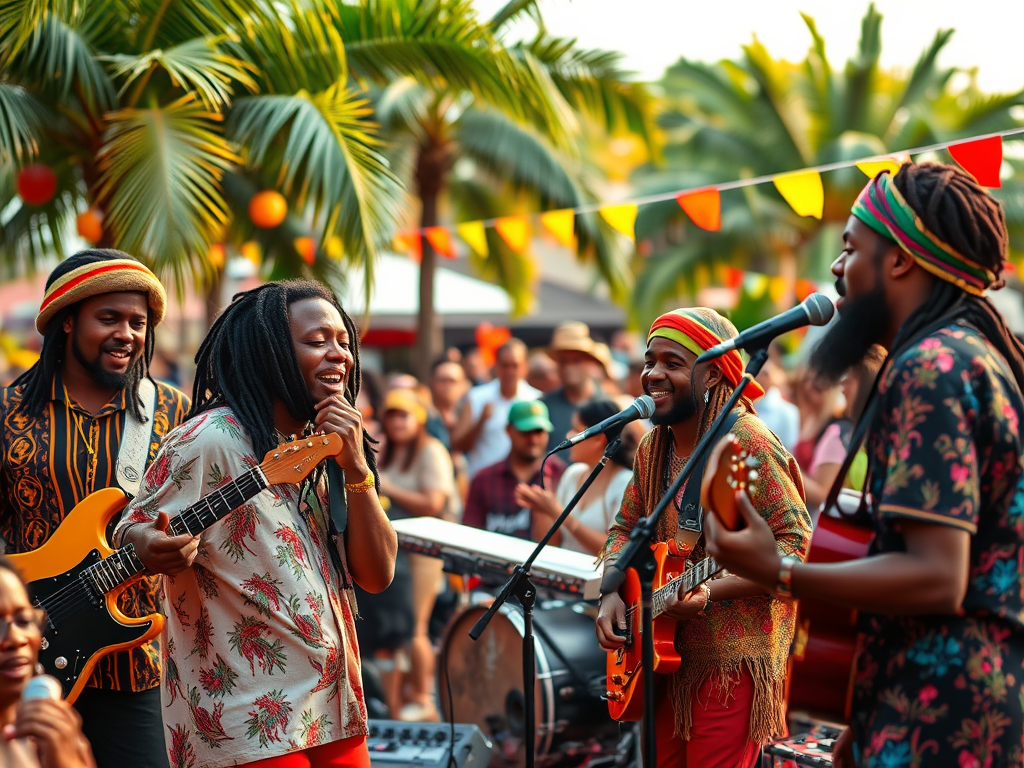
Reggae music, with its roots firmly planted in the Caribbean soil of Jamaica, emerged in the late 1960s as a vibrant cultural force, blending rhythms from ska and rocksteady with profound social and political messages. Over the years, reggae has evolved beyond its geographical origins, influencing global music landscapes and maintaining its significance as a medium for activism, unity, and cultural expression in the Caribbean and around the world.
Key Takeaways:
- Reggae originated in Jamaica in the late 1960s amidst a cultural reawakening, intertwining music with social and political commentary.
- Iconic artists like Bob Marley significantly shaped reggae, helping it transcend borders and evolve into sub-genres such as roots reggae, dancehall, and dub.
- The Rastafarian culture deeply influences reggae, infusing it with themes of unity, love, and social resistance.
- Reggae music has a lasting impact on Caribbean identity and is celebrated in festivals which showcase the region’s cultural richness.
- Despite challenges of commercialization, efforts continue to preserve reggae’s authenticity while embracing its growing global influence.
Reggae Music: Origins and Evolution in the Caribbean
Historical Roots and Influences
Reggae’s echoes first resounded in Jamaica during the vibrant late 1960s, fueled by rhythms of ska, rocksteady, and Rastafarian chants, each adding a unique layer to its rich soundscape. This genre didn’t just arise; it bloomed amidst a period of cultural reawakening, emerging as a medium for expressing social and political commentary. The streets of Kingston cradled its development, where each beat and verse resonated with the heart of Caribbean society.
Pioneers and Sub-Genres
The pulsating music of reggae found its voice through legendary pioneers like Bob Marley, Peter Tosh, and Jimmy Cliff. These icons didn’t merely shape but indelibly imprinted reggae onto the global stage, each lyric breathing life into their beliefs and hopes. Reggae’s branching variations offer a musical tour of its evolution:
- Roots reggae – Known for its soulful storytelling and spiritual messages.
- Dancehall – Recognized for its dynamic energy and modern rhythms.
- Dub – Celebrated for its innovative use of remixing and effects.
For those planning to delve into the region’s cultural roots, exploring these musical styles enriches the journey. 
The Connection Between Reggae Music and Social Movement
Reggae as a Voice for Change
Reggae music isn’t just the rhythmic heartbeat of the Caribbean; it’s a resonant voice for social and political change across the islands. Its distinctive beats have long been entwined with profound messages addressing issues like colonialism, inequality, and human rights. Reggae has often amplified the concerns of the people, offering a platform for those whose voices might otherwise be drowned in the noise of power. Through its catchy melodies and evocative lyrics, reggae continues to educate and inspire the masses, reminding them of the importance of justice and equality.
Rastafarian Influence and Cultural Impact
Rastafarian culture places a significant imprint on reggae, infusing the music with themes of unity, love, and resilience. This profound influence can be felt in songs promoting anti-oppression and human dignity. Many reggae tracks echo the sentiments of Rastafarianism, encouraging resistance against social injustices and fostering a spirit of togetherness.
Music festivals like Reggae Sumfest in Jamaica serve as vibrant gatherings where these powerful messages are celebrated. They not only entertain but also empower, giving marginalized communities an avenue to connect and be heard.
Reggae’s Influence on Caribbean Identity and Cultural Expression
Reggae music pulsates through the Caribbean, shaping its identity with rhythm and soul. Vibrant festivals such as Jamaica’s Reggae Sumfest and the Ocho Rios Jazz Festival draw locals and travelers alike into a tapestry of beats and culture. These events are more than just musical gatherings—they’re celebrations of Caribbean pride and a testament to reggae’s profound impact on the region’s cultural landscape. Imagine immersing yourself in the spirited dances and colorful attires, feeling the throb of bass as it resonates within your very being.
By promoting traditions, reggae showcases Caribbean dance forms and arts to the world. Its global reach invites curious travelers to delve deep into the island’s cultural riches. Reggae’s fusion with other iconic Caribbean styles like calypso and soca creates a unique musical blend that captivates audiences internationally.

Globalization of Reggae Music and Its Diaspora Impact
The Role of the Jamaican Diaspora
Reggae music has traveled the world, carried across continents by the vibrant Jamaican diaspora. In cities like New York, London, and Toronto, reggae found fertile ground. It intertwined with local sounds, from hip-hop in the streets of Brooklyn to punk in the gritty clubs of London. The impact was profound. In the 1970s and ’80s, bands like The Clash and artists such as Lauryn Hill infused reggae rhythms into their music, reshaping global musical landscapes.
Cultural Centers and Classrooms Abroad
A love for reggae and a desire to preserve its rich history has also sparked the creation of reggae classrooms and cultural centers abroad. These spaces serve as hubs for learning and celebration, where the heritage of Caribbean culture is kept alive. Through classes and events, they offer locals and reggae enthusiasts alike the chance to dive deeply into the soulful beats and messages that define reggae.

Preservation and Evolution: Challenges for Reggae Music
Commercialization and Cultural Significance
The vibrant heartbeat of reggae music, deeply rooted in cultural expression, faces the challenge of commercialization. This shift often sparks debate over whether reggae’s profound messages are diluted in its global appeal. While international popularity grows, some purists worry about losing the essence that made reggae a voice for the oppressed and a call for societal change. In bustling music hubs, these discussions are increasingly relevant as reggae transforms into a globally recognized genre.
Digital Streaming and Heritage Preservation
Digital streaming platforms have democratized access to reggae music, amplifying its reach far beyond the Caribbean shores. However, this digital age evolution brings both creative expansion and the risk of oversaturation. To balance this, initiatives like UNESCO’s recognition of reggae as an Intangible Cultural Heritage underline efforts to preserve its authenticity. Local festivals and cultural programs play pivotal roles in protecting the reggae legacy, ensuring this musical treasure continues to inspire.
For those visiting the Caribbean, tapping into these cultural veins is as simple as arranging tours or attending local events through platforms like Klook, which offers personalized experiences and access to enriching cultural activities.

Legacy of Reggae Music in Contemporary Caribbean Culture
The harmonious blend of steel drums and rhythmic guitar now resonates with the echo of reggae legends, infusing modern Caribbean dialect and music styles. Young talents grasp the transformative power reggae holds, often crafting poignant lyrics addressing climate change or social justice. Artists like Protoje and Chronixx integrate traditional beats with contemporary issues, creating a canvas where cultural identity parallels activism.
Reggae’s influence isn’t confined to the stage; education embraces its rhythms too. Schools and universities across the Caribbean introduce reggae history and its socio-political impact into their curriculums, embedding it in academic discourse. This cultural acknowledgment fuels a deeper understanding and appreciation among the younger generation, ensuring reggae remains a vibrant element of Caribbean cultural identity.
If reggae’s compelling call beckons you closer, seamless travel helps. With reliable airport transfers provided by Welcome Pickups, you can immerse yourself in the islands without a hitch, exploring reggae’s soulful legacy at your own pace.

Leave a Reply